Fibre facts: your Fibre February guide to fibre and flour
Learn more about the nation's eating habits, favourite breads, and fibre, flour, and bread facts thanks to the 2026 FAB Flour survey of 2,000 adults across the UK, collected by OnePoll.
Why fibre matters
Most of us know fibre is good for us, and the UK agrees.
- 83% of people say fibre is important to their health
- 69% think about fibre (at least somewhat) when choosing food
But knowing isn't always the same as doing... Only 54% say they eat foods they consider "fibre-rich" every day.
Where do people think fibre comes from?
When we asked 2,000 UK adults, these foods topped the list:
- Brown rice: 61%
- Broccoli: 44%
- Chickpeas: 42%
- Chia seeds: 37%
- Butter beans, cabbage, kale, pumpkin seeds: 35-37%
But there's a knowledge gap...
Only 30% identified bread as fibre-rich, even though wholemeal and seeded loaves are fibre-packed and since all wheat flours contain fibre and flour is often in bread, it really packs a punch
Many people don't understand where fibre comes from in the first place. Eggs, yoghurt, chicken, and tuna had plenty of votes, but they don't actually contain fibre!
What is fibre?
Fibre is the indigestible part of plant-based foods, partially broken down (fermented) in your large intestine by gut bacteria and is the cornerstone of a healthy diet. It includes carbohydrates like polysaccharides, resistant oligosaccharides (ROS), soluble fibre such as pectins and beta-glucans, and insoluble fibre like cellulose. Fibre is found in foods like wheat (think flour), oats, beans, pulses, fruits, and vegetables, and has many health benefits.
- British Dietetic Association, 2021: "Fibre"
- British Nutrition Foundation, 2021: "Fibre"
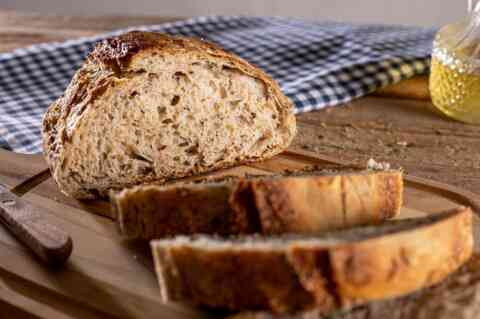
Bread is one of the simplest, tastiest, most affordable, and most common ways to add fibre to your day. While always eating wholemeal may be aspirational, we asked what were the top choices for the UK:
- Wholemeal: 38%
- Sourdough: 31%
- Multigram: 29%
- Baguette: 28%
- Tiger bread: 28%
And when we asked what would encourage people to choose higher‑fibre bread, the top answers were:
- Digestion support: 47%
- Overall health: 45%
- Taste: 35%
Luckily for everyone, eating the NHS-recommended 30g of fibre daily for adults has more benefits than the above. As Guts UK says: "Every extra 7g of fibre (equal to 2 wholemeal bread slices) in the daily diet reduces the risk of common chronic diseases. For example, an 8% reduction in colon cancer and a 9% reduction in cardiovascular disease and heart attacks. As well as a 7% reduction in strokes and 6% reduction in the incidence of Type 2 diabetes."
So why care about fibre?
When asked this question, our survey found that people care about:
- Digestive comfort: 64%
- Balanced diet: 54%
- Reducing illness risk: 27%
- Lowering cholesterol: 23%
What they may not know
And yet some people still don't pay attention to fibre, but not just from a lack of interest. Top reasons include:
- "I probably eat it without realising": 45%
- "I'm not fussed about what I eat": 27%
- "I'm not sure which foods are fibre-rich": 18%
How Fibre February can help you boost your fibre
Our survey shows that people want to include more fibre in their diets, so now is the time to start!
We kicked off Fibre February in 2017 to help consumers:
- Boost their fibre to the recommended daily amount
- Learn about the many health benefits associated with eating enough fibre
- Understand the intrinsic link between fibre and flour
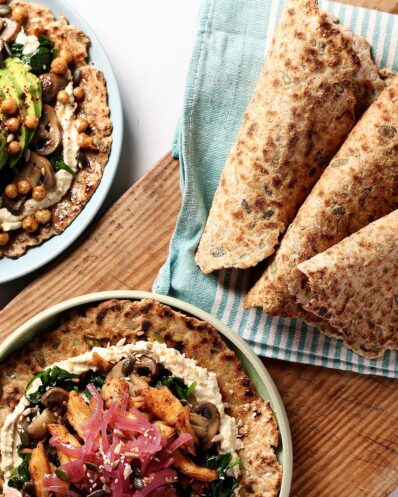
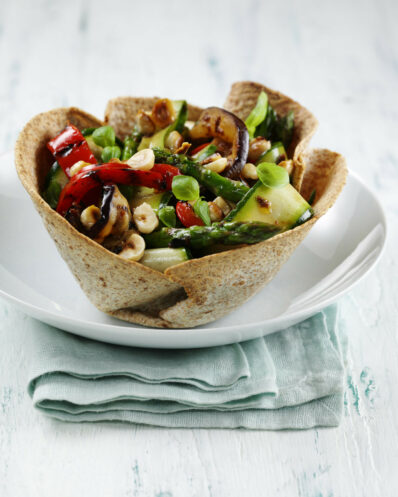
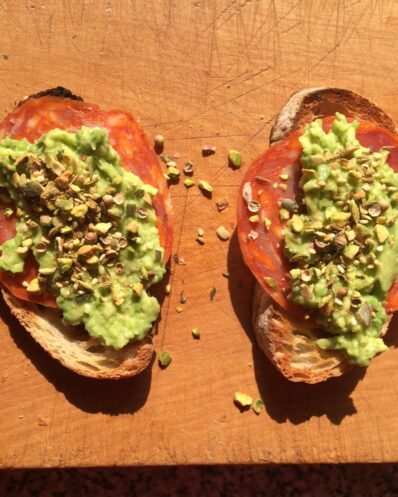
And with simple swaps and additions, you can really boost your fibre! We've got some great recipes that can help, too.
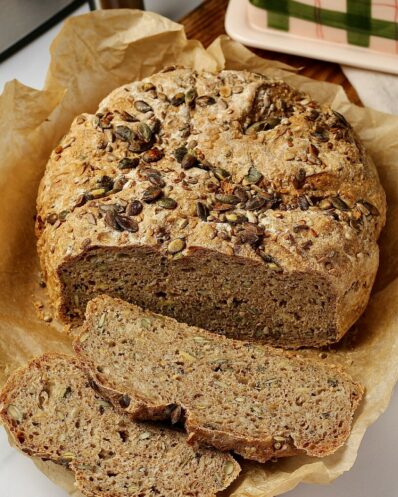
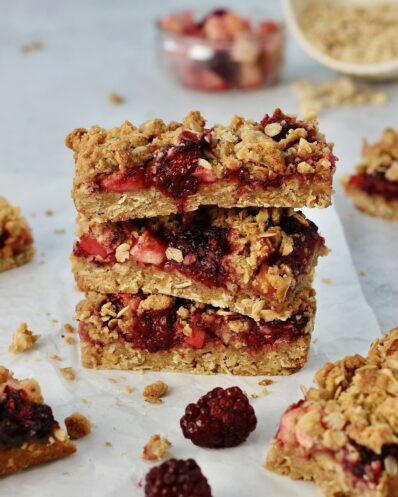
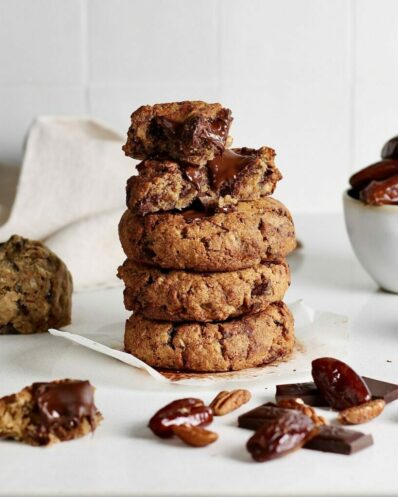
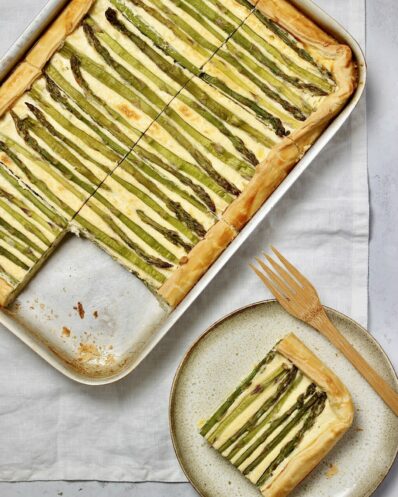
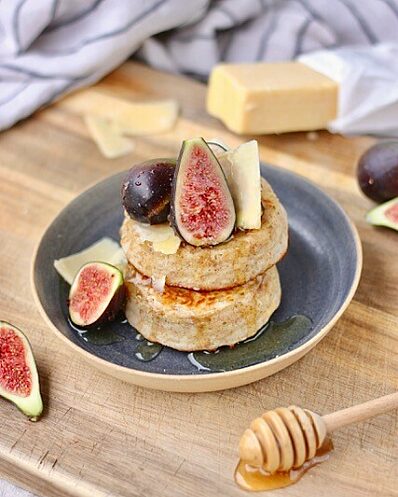
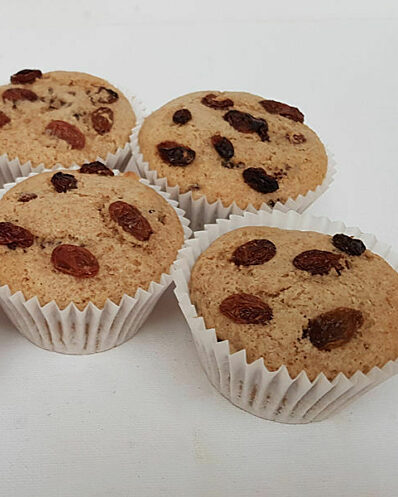
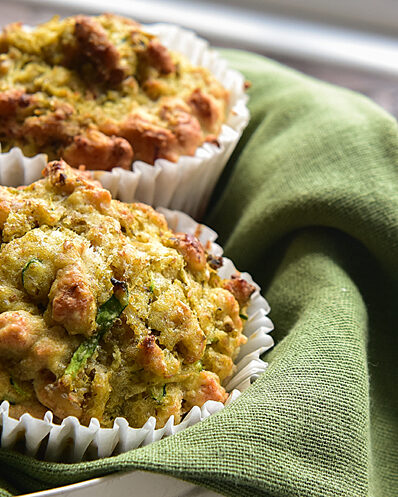
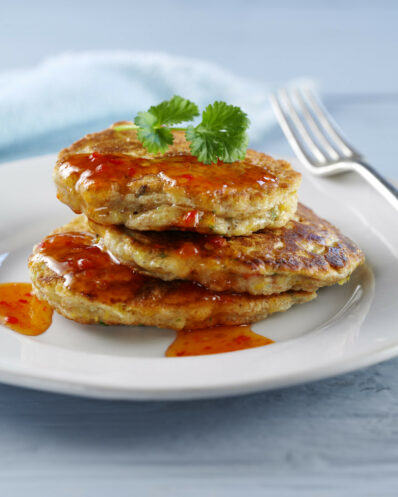
FAB Flour's fibre-filled recipes





Myths and facts
For Fibre February and year-round, boosting your fibre intake is important to a healthy lifestyle. Our survey highlights some misconceptions people may have about fibre and flour.
FACT: A huge 83% of UK adults say fibre is important in their diet in some form.
FACT: Only 8% say they understand which foods are fibre‑rich very well, and 10% couldn’t name even one fibre‑rich food when asked.
FACT: All wheat flours contain fibre, and wholemeal and seeded breads contain the most but many consumers simply overlook them. Only 30% identified bread as fibre‑rich.
FACT: Fewer than 1 in 5 (18%) list grains as one of the food groups most featured in their diet. Grains aren't always top‑of‑mind, even though wholemeal bread, brown rice, and pulses are tasty everyday fibre options.
FACT: Many would check fibre, but only 45% currently do. Fibre February is the perfect time to start checking how much fibre you're eating.
FACT: Survey favourites are:
- Wholemeal: 38%
- Sourdough: 31%
- Multigrain: 29%
- White sliced bread comes in at 26%.
People now need to start actioning those aspirations.
FACT: Yes, digestion is the top motivator (64%), but people also link fibre to:
- A balanced diet (54%)
- Lowering illness risk (27%)
- Lowering cholesterol (23%)
Fibre supports everyday wellbeing in lots of ways!
FACT: 17% say they’re not sure how often they eat fibre‑rich foods. And many assume they “probably get enough” even though the vast majority of adults fall short.
FACT: Survey behaviour shows choices are driven by simple, everyday practicality with things like “which meal it is” (42%) and wanting an easy meal (41%). Small swaps and additions fit better into real life than big changes.
FACT: Among those who eat bread, 38% say homemade and shop‑bought are “the same,” 32% prefer shop‑bought, and 25% prefer homemade. This means the average person’s fibre intake is most likely to come from purchased bread, not just home‑baking.